


PEMB Maintenance 101: A Practical Guide to Extending Metal Building Service Life
Introduction: Why PEMB Maintenance Matters for Long-Term Performance
A Pre-Engineered Metal Building (PEMB) is designed for efficiency and durability—but “low maintenance” does not mean “no maintenance.” A PEMB still requires routine upkeep to deliver decades of reliable service. The biggest benefits are rarely dramatic: scheduled inspections, early leak detection, fastener and washer checks, drainage maintenance, and timely coating touch-ups.
Many owners never establish a maintenance program and instead rely on reactive repairs when issues arise. Proactive maintenance catches small issues early—before moisture, corrosion, and repeated movement turn them into costly repairs.
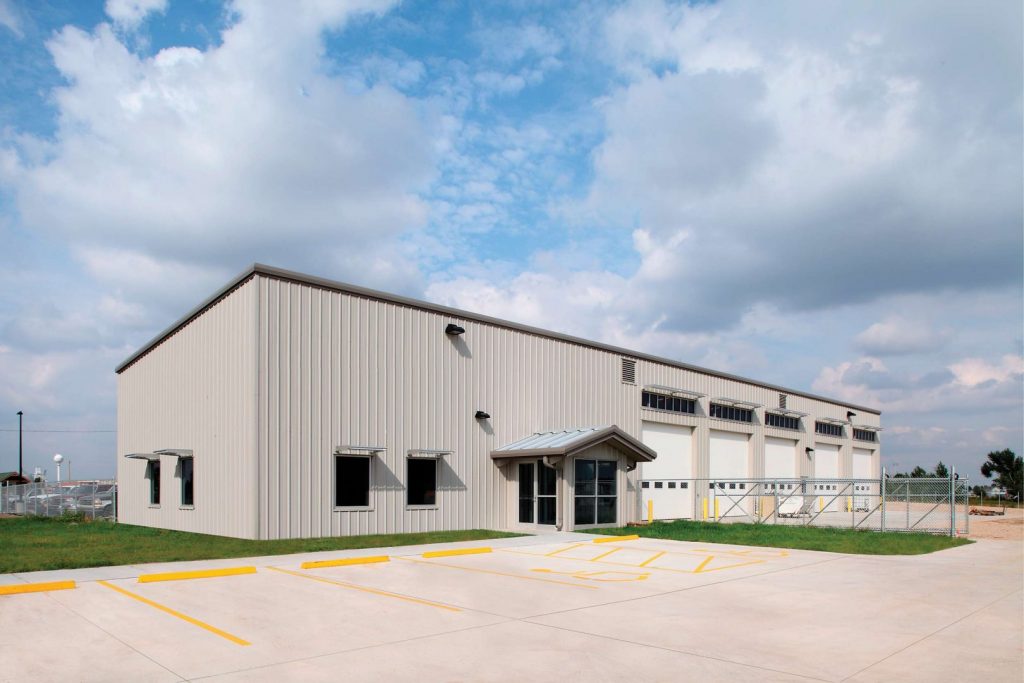
Why Metal Building Maintenance Fails (and How to Do It Right)
1) Reactive vs. Preventive Maintenance
Most metal building owners don’t have a “maintenance program”—they have a “repair history”. A stain appears, a leak drips, or a fastener backs out, and the response is often a one-off fix. In PEMB systems, however, issues are frequently systemic: water travels, sealants weather, movement repeats, and minor defects become recurring failures.
Preventive maintenance looks different:
• Inspections happen on a defined schedule
• Problems are addressed early (before water and corrosion spread)
• Repeat issues are tracked using maintenance records
• High-risk details are prioritized
2) Why Small Issues Turn Into Structural Repairs
Two forces multiply damage in metal buildings:
• Moisture: promotes corrosion, degrades insulation, and weakens details over time
• Movement: thermal expansion and contraction—plus wind and vibration—work joints, laps, and fasteners
That’s why a minor leak at a penetration can evolve into wet insulation, interior corrosion patterns, and expensive detail reconstruction.
Maintenance Program and Schedule
A simple schedule beats an ambitious plan that never happens.
A practical inspection rhythm:
• Monthly or quarterly walk-around (10-30 minutes): obvious issues, drainage, new stains
• Seasonal inspection (twice per year): roof details, penetrations, transitions, doors/windows
• Annual documented inspection: checklist, photos, and a maintenance log
• Post-storm inspection: after high winds, heavy rainfall, hail, or any unusual event
Start With a Practical PEMB Inspection Checklist
A checklist keeps inspections consistent, reduces missed items, and makes your program repeatable across teams.
Focus on High-Risk Areas First
Start where water and movement concentrate:
• Roof seams and panel laps
• Roof-to-wall transitions
• Doors, windows, and panel cut-outs
• Gutters, outlets, and downspouts
These details account for a large share of leaks and moisture-driven corrosion.
Exterior vs. Interior Inspection
Exterior inspections:
• Look for coating scratches, chips, dents, and exposed metal
• Check flashing edges and trim lines for separation
• Confirm gutters and outlets are clear and intact
• Verify downspouts discharge away from the building (not against it)
Interior indicators of moisture and corrosion:
• Water stains, drips, musty odor, damp spots
• Wet, compressed, or sagging insulation
• Rust patterns around framing, penetrations, base areas, and corners
Early-Stage Rust vs. Structural Corrosion: Know the Difference
Rust is not always a crisis—but it’s never “nothing.”
What Early-Stage Rust Looks Like
• Surface rust at scratches, chips, or exposed edges
• Coating damage where bare metal is visible
Early rust is often manageable with proper cleaning, surface preparation, and a compatible touch-up coating—especially when you eliminate the underlying moisture source.
When Rust Becomes a Structural Concern
Escalate when you see:
• Recurring corrosion in the same location
• Corrosion driven by chronic moisture (standing water, persistent condensation, repeated leaks)
• Progression despite prior touch-ups
Practical Corrosion Prevention
• Surface preparation and cleaning: remove debris and contaminants that trap moisture
• Touch-up paint and protective coatings: repair coating breaks quickly and confirm the detail drains and dries properly
Fasteners Are Warning Signs, Not Just Loose Hardware
Fasteners are part of the weather-resistance system. When they fail, leaks often follow.
Why Fasteners Loosen Over Time
• Thermal movement (expansion and contraction)
• Wind and vibration loads
• Washer aging and loss of seal compression
Fastener-Related Leak Risks
Common failure modes include:
• Washer deterioration (cracking, compression loss, missing washers)
• Fastener penetration points becoming leak paths
• Corrosion at the fastener head or around the hole
When Fasteners Need Replacement (Not Retightening)
Replace instead of repeatedly tightening when:
• Loosening recurs in the same area
• Corrosion is visible
• Washer or seal failure is present
• Leaks continue after retightening
Most Metal Building Leaks Start at Details, Not Panels
Large roof panels often get blamed—but details fail first.
Common leak sources in PEMB systems:
• Flashing failures
• Roof penetrations
• Sealant degradation
• Panel overlaps and seams
• Roof-to-wall transitions
• Fastener penetration points
How to Trace Water Infiltration Paths
Key principles:
• The drip point is rarely the entry point—water can travel along purlins, laps, insulation facings, and framing.
• Interior indicators matter—stains, rust patterns, and wet insulation often reveal travel paths.
A practical approach:
• Mark the interior stain area and take photos
• Inspect upslope above the stain at penetrations, flashings, and laps
• Check drainage near the area (overflow often drives repeat leaks)
Metal Roof and Drainage Maintenance That Actually Matters
Roof Seam and Panel Inspection
Inspect:
• Standing seam conditions (movement, separation, impact damage)
• Panel overlaps (aging sealant, gaps, misalignment)
Drainage Problems That Accelerate Corrosion
Drainage is one of the highest-return maintenance categories:
• Clear clogged gutters
• Keep outlets and downspouts open
• Remove debris from roof corners and valleys
• Fix overflow points quickly
Standing water and repeated wetting accelerate corrosion and shorten service life.
Condensation and Insulation Issues You Can’t Ignore
Why Condensation Is Often Misdiagnosed as Leaks
Condensation can look like roof leakage—especially during temperature swings and periods of high interior humidity. It can also create widespread dampness without a single obvious roof entry point.
Insulation failure warning signs:
• Wet insulation
• Compressed or sagging insulation
• Interior rust patterns that appear seasonally
• Higher energy use and uncomfortable interior conditions
If insulation is wet, determine whether the driver is a leak path, a vapor control issue, or a ventilation/humidity problem.
How Often Should a Metal Building Be Inspected?
A workable model:
• Quarterly: quick check (drainage, visible detail issues, new interior stains)
• Seasonal: roof details, openings, and sealant condition
• Annually: documented inspection with a checklist and photos
Post-Storm Inspections That Prevent Long-Term Damage
After severe weather, check for:
• Uplifted edges, displaced flashings, loosened fasteners
• New stains or damp insulation
• Debris in gutters and outlets
Maintenance Records Are More Valuable Than One-Time Fixes
A metal building without records is hard to manage. A metal building with records becomes predictable.
Document During Each Inspection
Log:
• Date, inspector, and weather conditions
• Problem locations (gridline/bay if possible)
• Photos (wide and close-up)
• Severity and suspected cause
• Repair actions and materials
• Whether the issue is recurring
Use Maintenance Logs to Prevent Repeat Failures
Records help you:
• Spot recurring leak zones
• Identify fastener patterns and movement-prone areas
• Track sealant life cycles and plan renewals
• Prioritize upgrades by impact—not guesswork
When to Involve Professionals in Metal Building Maintenance
Bring in qualified professionals when you see:
• Structural concerns (movement, deformation, connection distress)
• Recurring leaks after multiple repairs
• Recurring corrosion in the same location
• Safety risks (roof access, fall hazards, equipment conflicts)
• Multiple details failing across the building
Conclusion: Maintain Performance, Not Just Appearance
Maintaining a metal building isn’t only about keeping it looking new. It reduces long-term maintenance costs, preserves building performance, and protects the people and assets inside. A small investment in routine inspections and a repeatable checklist can pay dividends over decades of service.
FAQs:
Q1: How often should a PEMB be inspected?
Monthly or quarterly walk-arounds, seasonal inspections twice per year, a documented annual inspection, and post-storm checks after high winds or heavy rainfall.
Q2: What are the most common metal building roof leak sources?
Flashing failures, roof penetrations, degraded sealants, panel overlaps, roof-to-wall transitions, and fastener penetration points.
Q3: What’s the difference between surface rust and structural corrosion?
Surface rust is early and localized (often at coating damage). Structural corrosion is recurring or progressive and is typically driven by persistent moisture or trapped water.
Q4: Why do fasteners loosen and cause leaks?
Thermal movement and vibration loads degrade washer seals and loosen fasteners over time. Recurring loosening often indicates the detail needs correction or replacement.
Q5: How do you tell condensation from a leak?
Condensation often appears during humidity/temperature swings and can be widespread. Leaks typically trace back to localized roof details. Track timing and inspect high-risk details upslope from interior indicators.





